Physical Address
304 North Cardinal St.
Dorchester Center, MA 02124
Physical Address
304 North Cardinal St.
Dorchester Center, MA 02124

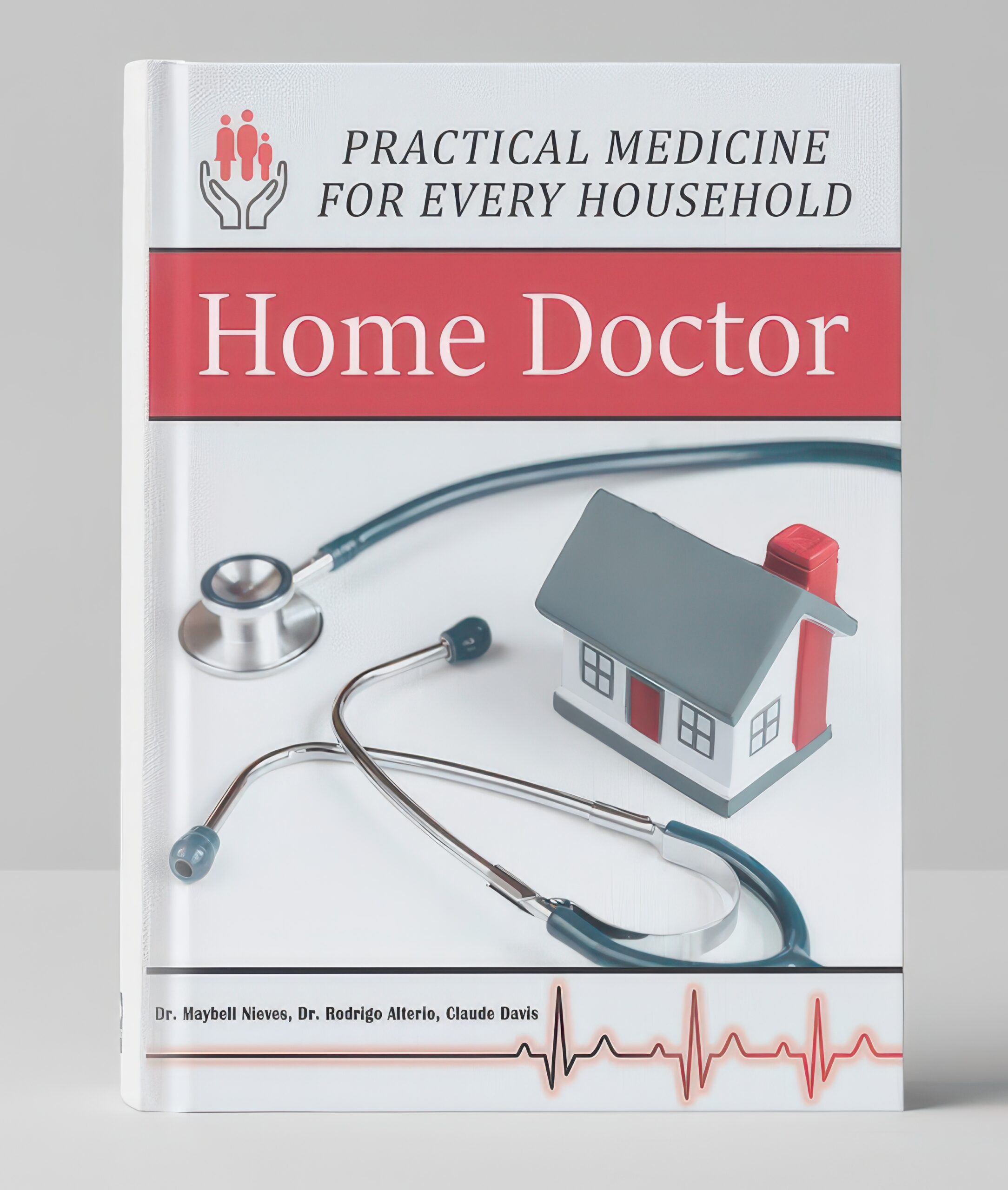
A 304-page, doctor-written guide for when professional help is delayed.
Affiliate: We may earn a commission at no extra cost to you.
No medical advice. In emergencies call 911.
(General information only. Not medical advice.)
When life runs smoothly, you call your doctor or head to urgent care. But storms, power outages, travel, or living far from town can slow everything down. That gap—those uneasy minutes or hours until help arrives—is exactly where The Home Doctor – Practical Medicine for Every Household helps.
Plain-English, not jargon.
This 304-page guide is written for households, not professionals. You’ll find checklists, diagrams, and step-by-step prompts that are easy to follow when you’re stressed.
Know the red flags—and what to tell 911.
The book explains common warning signs (like possible heart attack or stroke) and helps you prepare the key information first responders need: what started when, current meds, conditions, allergies, location. That kind of clarity can calm a chaotic moment.
Make a sensible home kit.
Skip the panic buying. You’ll get a practical look at what you’ll actually use—plus common blackout mistakes to avoid, including considerations for temperature-sensitive medicines during power loss.
From panic to plan.
You also get simple comfort measures to discuss with your clinician ahead of time, so you’re not guessing. The focus is staying organized and bridging the time until professional care is available.
Who it’s for (and not for).
Great for families, travelers, remote workers, and anyone who wants a calmer response when plans fall apart. It’s not a replacement for professional care and not a shortcut to self-prescribing. In an emergency, call 911.
If you want a practical, doctor-written handbook that helps you stay steady when things get bumpy, this one earns a spot in your emergency toolkit.
Important: This book (and this page) are for general information only—not medical advice and not a replacement for professional care. In an emergency, call 911.
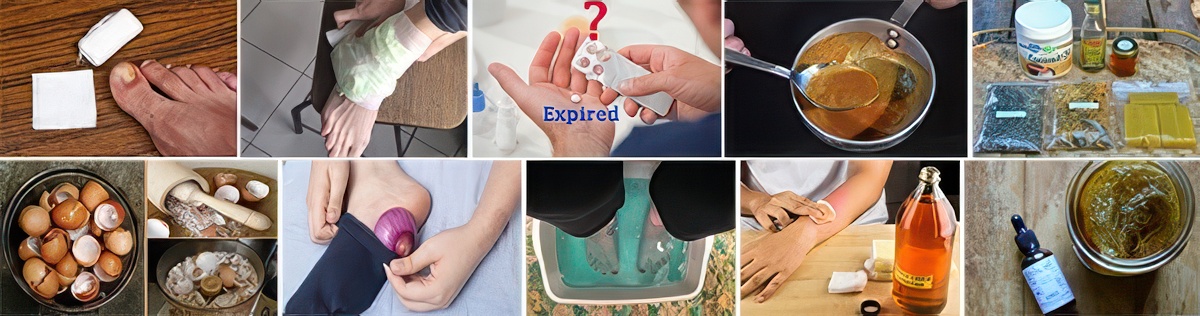
These short teasers reflect chapters/themes from the guide. Use them as a starting point; always follow your clinician’s advice.
(The book also discusses household remedies and preparedness ideas. Treat them as educational and verify safety, interactions, and personal fit with your licensed clinician.)
Great fit if you:
Not a fit if you:


